


As hormones rise and fall during their menstrual cycle, women can experience a variety of emotional and physical symptoms. But while mild premenstrual symptoms vary from woman to woman, severe PMS symptoms are not normal. If you’re experiencing extreme bloating, breast tenderness, heavy periods, digestive issues, irritability, appetite changes, and mood swings, there’s most likely an underlying cause.
Instead of relying on over-the-counter medications and hormonal birth control methods to curb your symptoms, our integrative medicine practitioners can help you determine the root cause(s). Then, we’ll show you how to reduce PMS symptoms naturally.
Wondering how to reduce PMS symptoms naturally? We’d recommend starting here:
We say this all the time, but food truly is medicine. If you’re struggling with PMS symptoms, try increasing your calcium consumption. However, because dairy products are inflammatory to most, we recommend opting for calcium-rich alternatives like:
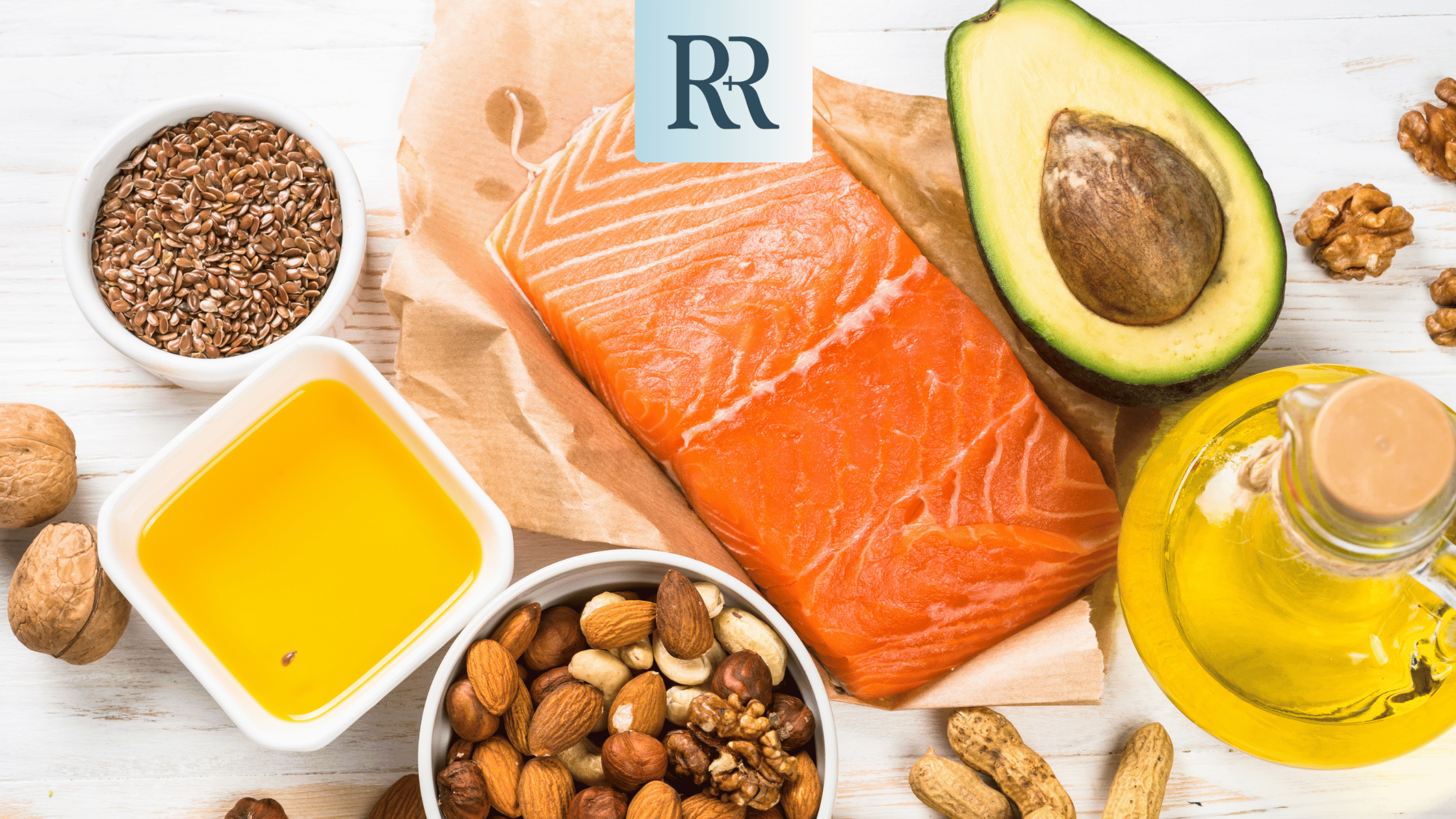
People with PMS symptoms will also want to ensure they get enough vitamin D through sunlight, fatty fish like salmon, and/or supplements (dosage differs based on the individual).
Another way to combat PMS symptoms is to eat less, more often. Not only does this reduce premenstrual bloating, but it stabilizes your blood sugar. This keeps you energized and calm(er) throughout the day.
Be wary that salty foods can increase bloating. And foods high in sugar can cause drastic blood sugar fluctuations, which worsen fatigue and mood swings. Additionally, high-fat foods increase prostaglandin levels, which can increase the severity of menstrual cramps.
Research confirms that regularly engaging in 20 to 30 minutes of light exercise can alleviate PMS symptoms. Plus, the endorphins released throughout will boost your mood and energy levels, support healthy sleep, reduce stress, and minimize any pain you’re experiencing.
To reap the most benefit, try to exercise regularly throughout your cycle (instead of just before your period). We recommend cycle syncing to align your exercise routine with your fluctuating hormones:
Many of us reach for caffeinated drinks when PMS fatigue starts to hit. However, caffeine elevates heart rate and adrenaline levels, increasing stress and anxiety. Some people also find that caffeine upsets their digestion, furthering abdominal discomfort.
Similarly, alcohol increases fluctuations in blood sugar levels, worsening PMS symptoms. Alcohol is also dehydrating and prevents you from getting a good night’s sleep – both of which are essential during menstruation.
Maintaining a varied diet of unprocessed, nutrient-dense foods can help prevent nutrient imbalances. And some studies have linked PMS symptoms to low nutrient levels. Those include:
Of course, your supplement needs depend on your specific body and circumstances. Make sure to check with your healthcare provider before embarking on a supplement routine, as some supplements interfere with existing medications.
While there is limited research on herbal remedies for PMS, some women swear by them. We recommend trying:
If you were wondering how to reduce PMS symptoms naturally, we hope today’s article offered some clarity. As an integrative Fort Worth primary care practice, R+R Integrative Medicine takes a whole-person approach to healthcare, addressing the physical, emotional, and mental well-being of patients.
Because we focus on the root cause, we’ll strive to improve your overall quality of life – instead of merely slapping a bandaid on symptoms. If you’re experiencing severe PMS symptoms, we’ll help determine (and treat!) the underlying cause. Contact us to get started.
.png)