



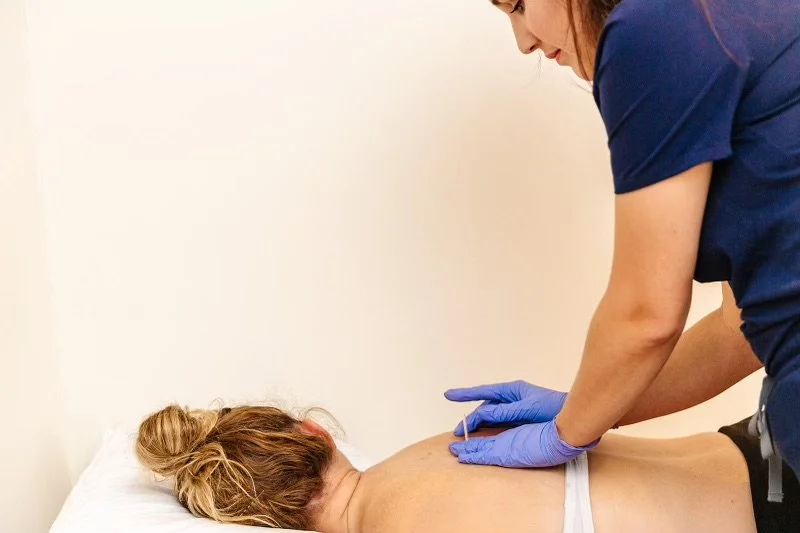
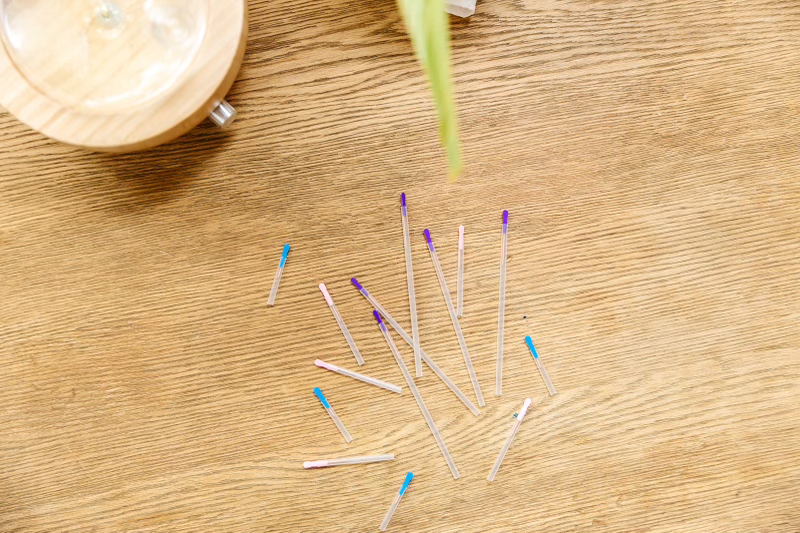
Often confused with acupuncture, dry needling is a targeted therapy designed to release tension and reduce physical and neurological pain. Using ultra-fine monofilament needles, the treatment gently stimulates trigger points and areas of connective tissue—including muscles, ligaments, tendons, fascia, and scar tissue—to help release tight or overactive areas that feel stuck, sore, or restricted.
Dry needling may also be used for neuromusculoskeletal pain syndromes such as sciatica, foot drop, and neuralgia. It works through several mechanisms, including releasing endorphins for pain relief, inhibiting inflammatory pathways, increasing blood flow, helping remap the brain’s pain response, and activating a localized immune response to support healing.
Pain relief + reduced inflammation
Relieves pelvic floor pain
Increases blood flow to pain area
Remaps the brain for pain control

Activates immune reaction
Aids sciatica, foot drop, neuralgia
Compliments physical therapy
Improves C-section scarring
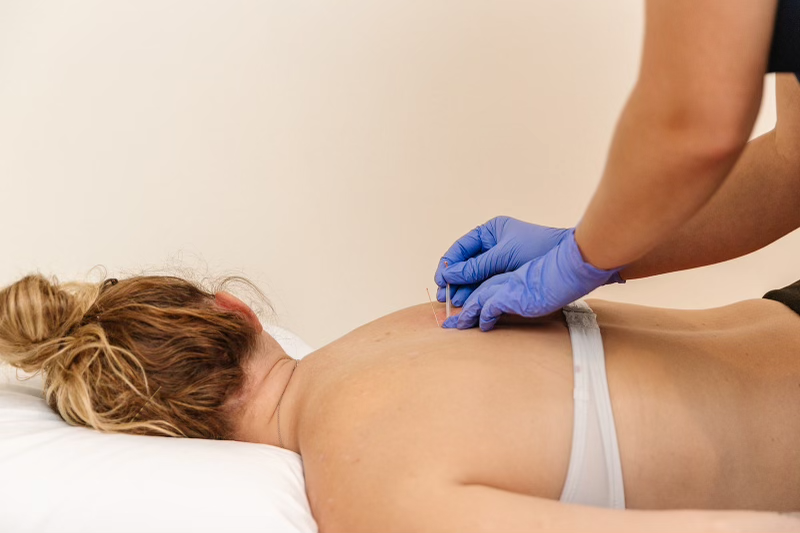

Both use thin stainless steel needles and both aim to relieve pain, but the philosophy and practice differ significantly. Dry needling is a modern, anatomy-based technique grounded in Western musculoskeletal science, targeting specific trigger points based on skeletal and neuroanatomical knowledge. Acupuncture is rooted in traditional Chinese medicine, placing needles along meridians to restore energetic flow through the body. Same tool, fundamentally different approach.
Most of our patients report feeling little to no discomfort when undergoing dry needling treatments. Our physical therapists know how to make the process as painless as possible; however, some patients may still experience a "twitch response" with the insertion of the needle.
This is comparable to a quick muscle cramp or ache. The 24-48 hours following treatment may also result in muscle soreness, which should go away on its own.
Your first session begins with a thorough review of your medical history, current symptoms, and any previous treatments. Your provider will then perform a physical examination to assess your muscle tissue and identify trigger points contributing to your pain or dysfunction. Your treatment plan is developed from this assessment.
There are potential risks and side effects associated with dry needling. These may include bruising, bleeding, and temporary discomfort at the site of the needle insertion. It is important to discuss any concerns or potential risks with your therapist before starting treatment. Sore muscles can be treated at home by applying ice and/or heat packs and drinking plenty of fluids.
Dry needling is often not a one-time treatment and may require multiple sessions for optimal results. Your therapist will work with you to develop a treatment plan and schedule follow-up appointments as needed. It is also important to continue with any recommended exercises to reinforce the benefits of the treatment.
Dry needling during pregnancy requires careful consideration. Certain areas and techniques are contraindicated during pregnancy. Please call us to discuss your specific situation before booking, and always inform your provider of your pregnancy status before any session.
Dry needling at R+R is primarily a women's health specialty service. Lower extremity dry needling — hips, thighs, knees, legs, ankles, and feet — is also available for men. Please call to discuss your specific needs before booking.
Yes, dry needling pairs naturally with pelvic floor physical therapy in the same session. It also complements infrared sauna and cold plunge for recovery, and IV therapy for systemic inflammation support. Ask your provider what combinations make the most sense for your treatment goals.